

Phenology: Reading Your Garden

What is Phenology?

The Greek word 'phenology' can be translated as 'the study of phenomena'. In a gardening context, it refers to observing the seasonal rhythms and life-cycle stages of plants and animals — things like leaf emergence, flowering, fruiting, and insect activity.

People have relied on these natural cues for thousands of years. Long before calendars, humans watched for signs such as fruit ripening or the first spring blossoms to know when to forage, plant or harvest. For gardeners, farmers, and land managers today, paying attention to phenology helps with practical decisions like when to sow seeds, anticipate pests or plan harvests. Keeping an eye environmental indicators can be a more reliable way to mark seasonal shifts than a date on a page.

Why Phenology Matters

The consistent climate trend in Australia is one of warming. The State of the Climate 2024 report, jointly published by CSIRO and Bureau of Meteorology notes that extreme heat events are increasing in frequency and intensity, while fire seasons are longer. Rainfall patterns are shifting: wetter in some northern regions, drier in southern regions, with more variability overall. Thanks to observations like these we can already start to make adjustments in our gardens, but by further drilling down and observing what's going on in our own backyards, gardeners can take specific, tailored steps to strengthen the resilience of their gardens.

By noting when plants flower, fruit, or set seed, monitoring soil moisture, and observing pollinators and beneficial insects, gardeners can identify local shifts in seasonal patterns and adjust sowing, pruning, and watering to match changing conditions. 

Reading Your Garden

For gardeners, phenological shifts may mean:

  • / Traditional sowing or pruning dates are no longer reliable.
  • / Heatwaves, or pests arrive earlier or later than expected.
  • / Crops and pollinators fall out of sync.

Instead of relying on fixed dates, use plant and animal signals to guide when to sow, prune, water, or harvest, and adapt your gardening practices to build resilience.

Observe and Record

Keep a simple log or journal of your garden’s natural events and what they mean for you, e.g.:

  • / Date of first leaf buds or flowering > action taken > result
  • / Pollinator activity (bees, butterflies, birds) > action taken > result
  • / Pest outbreaks or beneficial insects appearing > action taken > result
  • / Last frost, heavy rain, or heatwave, unusual weather > action taken > result

These observations form your personal phrenology record and year-on-year start to build a clearer picture of what's happening in your garden. Start small, maybe by focusing at first on unusual events, or those that are most important to you, then compare year-to-year to detect shifts in seasonal patterns.

Tips for Adapting and Building Resilience

Adjust Planting Times - Shift sowing, pruning, and harvesting to match evolving seasonal cues.

Experiment with Provenance and Diversity - Mix plant provenances and species to increase resilience against unexpected temperature, rainfall, or pest shifts.

Stagger and Diversify - Spread plantings over several weeks to reduce the risk of losing crops to sudden weather changes. Mix early- and late-season varieties for resilience.

Observe Pollinators and Wildlife – Track when bees, butterflies, or beneficial insects are active to ensure plants and pollinators remain in sync.

Monitor Pests - watch for longer or overlapping pest seasons and support beneficial insect populations with flowering plants year-round.

Monitor Soil Moisture – Keep an eye on how quickly soil dries; adapt watering schedules to changing rainfall and temperature patterns.

Record Extreme Events – Log heatwaves, frosts, or heavy rain events to inform planting choices and protective measures.

Use Water‑wise and Soil-building Techniques – Mulching, composting, and water-retention strategies buffer plants against extremes.

Manage Microclimates - use shade cloth or trellises to shield plants from heat. Prepare frost covers for cold snaps, even in warming winters.

In Conclusion

Phenology is the science of seasonal life cycle events — the timing of things like leaf bud burst, flowering, fruit ripening, bird nesting, or insect emergence — and how these are influenced by climate and weather patterns. In short, it’s nature’s calendar.

By observing and adapting to local conditions, gardeners not only protect their plants but contribute valuable insights into how climate change is unfolding in their area. To this end, consider logging your observations in citizen science apps, like iNaturalist.


How Herbs Become Spices

Who doesn't love it when one plant has two uses, or more?  Many of the annual herbs we grow for fresh leaves can also reward us a second time if we let them flower and set seed. Instead of pulling out plants at the end of their leafy season, leaving them to mature can stock your pantry with homegrown spices. It’s a simple way to get more from each plant—fresh herbs for cooking now, and dried or ground seeds for later.


Take coriander for example. Its leaves are popular in salads, curries, and salsas, but once the plant bolts, itproduces seeds that we know as the spice coriander. These dried seeds have a warm, citrusy flavour that’s used in everything from spice blends to baked goods.

Dill is another herb with a double life. The feathery leaves season fish, pickles, and potato salads, while the seeds bring a stronger, slightly bitter taste perfect for spice mixes, soups, or breads.

Fennel, often grown for its leaves or bulb, produces sweet, aniseed-flavoured seeds ideal for teas, spice rubs, and desserts.

Cumin is a slightly less common herb for home gardens but worth trying. The leaves can be used fresh, while the seeds offer that warm, earthy flavour familiar in curries, stews, and spice blends.

But how do you harvest spice?

The seed heads need to dry on the plant until they turn brown and feel brittle. Cut the heads off, then gently crush or shake them to release the seeds. Let them dry out for another week spread out on a paper towel. Store seeds in airtight containers in a cool, dark place. To use them as a spice, grind them fresh in a mortar and pestle or spice grinder—freshly ground seeds release far more aroma and flavour than pre-ground versions, so you wont need to use as much. Don't forget to save some of the seed, to sow again next spring, for your next crop!

By letting herbs set seed, you not only extend their value in the kitchen but also support pollinators. One plant can serve two purposes: fresh green flavour now, and dried, homegrown spices for your pantry later.

This extract is from an SGA Master Class – Growing Spices 101. "This was a very informaive presentation. I did not realise that tumeric comes in a variety of colours. The idea of growing spices for home use is certainly interesting and it is easy to do with the right conditions." There are two more sessions in this series: Growing Edible Flowers, and Growing Botanicals for Vinegars, Sodas, and Cocktails.

For information on all current Master Classes, click here.


Sensory Gardening

In our fast-paced world, gardens offer more than just a place to grow plants—they offer a space for mindfulness, creativity, and connection. Sensory gardening is an approach that deepens this connection by engaging all five senses: sight, smell, touch, hearing, and taste.

Whether you're gardening in a suburban backyard, on a balcony, or in a community garden, creating a sensory garden at home can enrich your gardening experience

What Is Sensory Gardening?

Sensory gardening is the practice of designing and using garden spaces to stimulate the senses. It encourages you to slow down, observe, and interact with nature in ways that go beyond just sight.

Originally developed to support children and people with sensory processing differences or disabilities, it has since been embraced more widely—for wellness, mindfulness, and creativity.

A sensory garden encourages us to notice and interact with our environment in more holistic ways. It becomes less about controlling a garden space, and more about experiencing it.

The Senses in the Garden

You don’t need a large space to create a sensory-rich garden—just a thoughtful combination of plants and materials. Here's how you can stimulate each of the five senses in your own garden:

Sight – Colour and Movement

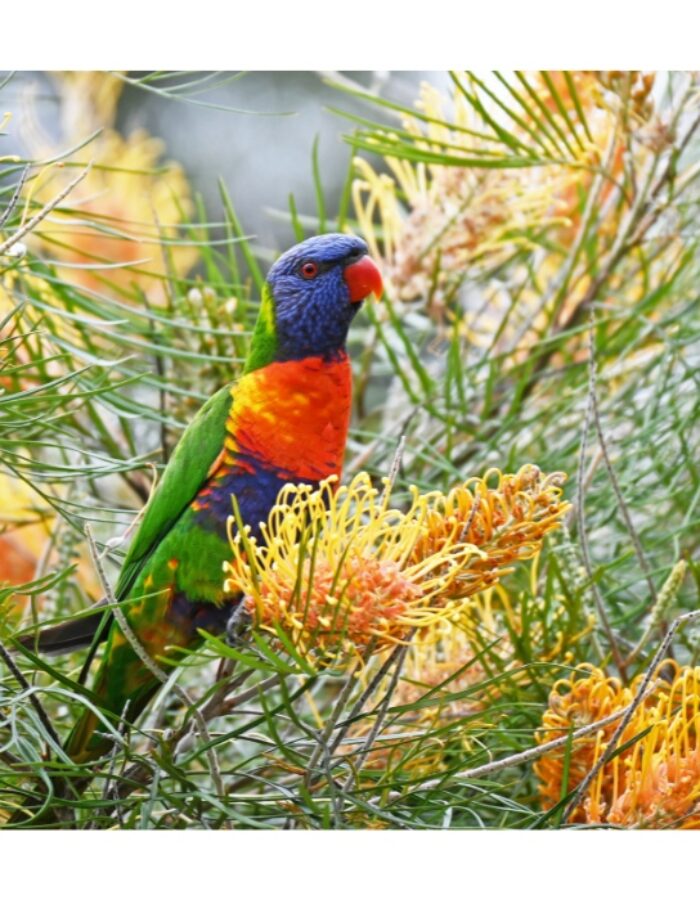
  • Choose native Australian plants like kangaroo paw, grevillea, and correa for vibrant colours.
  • Include visual interest through seasonal change, contrasting foliage, or swaying grasses like lomandra.

Smell – Fragrance in the Garden

  • Plant fragrant herbs such as lemon myrtle, rosemary, and native mint bush.
  • Add scented natives like boronia or eucalyptus, which release aromatic oils in warm weather.

Touch – Textures to Explore

  • Include plants with inviting textures, such as lamb’s ear, succulents, or paperbark trees.
  • Use natural materials like pebbles, mulch, or timber paths to enhance tactile engagement.

Hearing – Sound in Nature

  • Encourage native birds and insects with flowering plants and a water source.
  • Add soft features like wind chimes, grasses that rustle, or even a small water fountain.

Taste – Edible Plants for Snacking

  • Try growing edible natives like warrigal greens, finger limes, and lemon aspen.
  • Add herbs and vegies that thrive in your region—basil, parsley, cherry tomatoes, and strawberries work well in pots.

Sensory Gardening at Home: A Simple Setup

You don’t need a huge yard to create a sensory garden—just intentionality.

Try this:

  • Pick one sense per week and observe how your garden stimulates it. What do you hear at dusk? What textures are changing through the seasons?
  • Design a small corner of your garden with sensory layering in mind. For example, a fragrant herb bed near a seating area can stimulate touch, smell, and taste all at once.
  • If you have children, set up a mini “discovery zone” with plants to touch and smell, a sound-making element, and a journal or drawing space.

Pairing Sensory Gardening with Journaling

The act of journaling pairs beautifully with sensory gardening. It slows you down. It helps you notice.

Try sitting in your garden once a week and asking:

  • What am I smelling right now?
  • What have I touched today?
  • What’s changed since last week?

You might draw a flower, press a leaf, describe a bird call, or simply write: “The lemon thyme brushed my fingers. The smell reminded me of Mum’s roast chicken.”

Garden journaling is especially helpful during Australia’s changing seasons. With our changing climate, unpredictable weather, and unique biodiversity, Australian gardeners are increasingly looking for ways to garden mindfully, adaptively, and sustainably. Sensory gardening supports these goals by fostering a more intuitive, responsive relationship with your garden space.

Final Thoughts

Sensory gardening isn’t about perfection or performance—it’s about presence. It reminds us that gardens aren’t just for working in, but for being in.

So the next time you step outside, try this: close your eyes, take a breath, and let the garden come to you.


Hand Pollination for Summer Success

Why Hand Pollination Matters

Pollination is the unsung hero of a thriving summer vegetable garden. Without it, many of our favorite crops—like tomatoes, zucchinis, pumpkins, and melons—would fail to set fruit. While nature typically takes care of the process, with bees, butterflies, birds, and even the wind playing their part, sometimes a little human intervention is needed to ensure a bountiful harvest.

In Australia, summer heatwaves and changing climates can disrupt natural pollination. High temperatures can slow down insect activity, excessive humidity can hinder pollen transfer, and some plants struggle if their pollination partners aren’t nearby. If you’ve ever noticed flowers blooming but no fruit forming, poor pollination could be the cause.

Some plants, like beans and tomatoes, are self-pollinating, meaning they don’t require pollen from another plant to produce fruit. Others, such as zucchinis, pumpkins, and watermelons, have separate male and female flowers and rely on insects or wind to transfer pollen. If bees are scarce, or pollination conditions aren’t ideal, hand pollination can make the difference between a thriving harvest and a disappointing season.

How to Identify Male and Female Flowers

For plants that require cross-pollination, recognising male and female flowers is key. In pumpkins, zucchinis, and cucumbers:

  • Male flowers appear first, are smaller, and grow on thin stems. They produce pollen but do not develop into fruit.
  • Female flowers have a small swelling at the base, which is the immature fruit. If not pollinated, this swelling will wither instead of growing into a full fruit.

If you notice plenty of flowers but little fruit, take a closer look—if only male flowers are present, the plant might need more time before female flowers emerge. If female flowers are blooming but shriveling soon after, poor pollination is likely the problem.

Techniques for Hand Pollination

Hand pollination is simple and requires minimal tools:

  1. Using a Soft Brush or Cotton Swab – Gently collect pollen from the center of a male flower and transfer it onto the stigma of a female flower. This method works well for zucchinis, pumpkins, and watermelons.
  2. Shaking the Plant – Plants like tomatoes, capsicums, and eggplants have self-fertile flowers, meaning they just need a bit of movement to release pollen within the flower. Giving the plant a shake or tapping the flowers mimics the vibrations of buzzing bees.
  3. Using a Male Flower – For larger flowers, simply pluck a male flower, remove its petals, and rub the pollen-covered anther directly onto the female flower’s stigma.

Supporting Natural Pollinators

While hand pollination is a great backup, fostering a pollinator-friendly garden helps ensure long-term success. You can attract bees, butterflies, and other pollinators by:

  • Planting a diverse range of flowering plants, including native species
  • Avoiding chemical pesticides that harm beneficial insects
  • Providing water sources, such as shallow dishes with stones for bees to land on
  • Growing companion plants like basil, lavender, and borage, which attract pollinators and improve vegetable yields.

By learning to recognize pollination issues and using simple hand-pollination techniques, you can improve your summer harvests and contribute to stronger, more resilient food production. Plus, taking a hands-on role in your garden deepens your connection to the natural world—one flower at a time.


10 Green Resolutions for a Sustainable New Year

As we settle into the New Year, it's the perfect time to set resolutions that bring about positive change. This year, consider making a difference not only in your life but also for the planet - through sustainable gardening!

One Garden, Ten Triumphs: Here's how you can make and keep a bunch of New Year's resolutions with SGA!

  1. Exercise More: Forget the treadmill; grab a shovel! SGA is your personal trainer for a workout that benefits both you and your garden. Dig, plant, and weed your way to a healthier body and a flourishing garden.
  2. Lose Weight: Say goodbye to fad diets and hello to your garden's buffet! With SGA's sustainable gardening tips, you'll be bending, stretching, and shedding pounds while growing your own veggies.
  3. Get Organised: Tired of chaos? Let us help you organise your garden with tidy beds of veggies and a well-planned garden calendar. Achieve inner peace and an organised plot with our monthly newsletters.
  4. Learn a New Skill or Hobby: Move over, master chef! Join our gardening classes to become a soil sorcerer, seed ninja, and compost connoisseur. From pruning to pollinating, we've got the classes to turn you into a gardening wizard!
  5. Live Life to the Fullest: Reconnect with the present through the beauty of your garden. Let the rustling leaves and vibrant blossoms be your guide to living life to the fullest!
  6. Save More Money/Spend Less Money: Watch your savings grow along with your veggies! We've done the research to help you put fewer resources into your garden and get more out of it, from seed saving to natural pest management.
  7. Quit Smoking: Swap smoke breaks for garden breaks! Gardening is a breath of fresh air, especially with SGA's scientifically-backed know-how and WiseGardening database. Make your garden a chemical-free oasis and breathe easier.
  8. Spend More Time with Family and Friends: Get the whole family involved in sustainable gardening. From kids digging to grandparents pruning, make lasting memories in a safe and wondrous garden space.
  9. Travel More: Who needs a vacation when you have a garden paradise? Let us guide you in making your garden the ultimate destination. Nature bathing - no traveling required.
  10. Read More: From garden guides to evidence-based articles, we've got the reading material to keep you flicking and tending to your garden under the shade of your favorite tree.

This year, let your resolutions bloom with us. Our mission is to connect more Australian's with nature in their own backyards, Just think how many gardens there are in Australia...if every garden was a haven for biodiversity, producing home-grown produce, primed to handle climate extremes, and pollutant free, imagine the impact of the collective endeavors. Here's to the year ahead!

If you would like to help us help you, we'd be thrilled - we're a self-funded not-for-profit held aloft by our paying members and donors. Donations are integral to our funding and contribute to furthering our efforts in building a well-informed community of sustainable gardeners, who are catalysing positive change through environmentally conscious gardening practices. All donations are tax deductible.


Donations over $2 are tax deductible.

SGA collects personal information about individuals for a range of purposes to enable it to carry out its functions. We will treat your information with respect. Privacy Policy


Donate now to grow our cause in 2024 and beyond.

Rooted Resolutions: Our Guide to Making a New Year's Donation

Rolling into the New Year like a gardener stepping on a rake? Fear not! SGA is your trusty gardening companion, armed with the knowledge and inspiration to keep your resolutions on track. Whether you're the January Hurdler stumbling at the start or the Resolution Eco-Champion aiming for the stars, SGA provides the expert guidance to nurture your green ambitions. We're not just about blooms; we're about helping your sustainable resolutions take root and thrive.

From January Hurdler to Blooming Benefactor, transform your New Year's resolutions into sustainable triumphs with SGA!


SGA's Guide to Making a New Year's Resolution Donation

Let's dig in, laugh a little, and make those resolutions blossom: Welcome to our guide to making a donation that complements your New Year's resolution personality*.

*We encourage you to make a lasting New Year's resolution.

January Hurdler: $25

For the resolution enthusiast who's ready to start the year with a meaningful step, but is likely to trip at the first gardening hurdle. Dive in, and let us guide your sustainable journey, and let's see if we can get you past your expectations!

February Flourisher: $50

You've got the stamina to last a month! Consider this your sustainable gym membership. SGA is dedicated to ensuring that your donation has a lasting and flourishing impact. 

Springtime Striver: $100

Blooming into spring with steadfast resolve! You're the Springtime Striver, pushing those resolutions into the warmer months. SGA is your gardening companion, providing the knowledge and inspiration to make your resolutions take root and bloom. Spread the word!

Summer Sustainability Sage: $250

Harvesting sustainable habits like ripe tomatoes! As a Summer Sustainability Sage, your resolution withstands the heat. Your generous donation ensures a bounty of positive change.

Blooming Benefactor: $500

Your commitment to sustainable resolutions is like a garden in full bloom—vibrant, flourishing, and making a lasting impact. You're a driving force for a sustainable future! 

Resolution Eco-Champion: Sky's the Limit!

You're the eco-champion of resolutions! Your commitment is the perennial of the garden, thriving year after year. Your philanthropy establishes the roots and nourishes the soil for a flourishing and sustainable future.


Every donation is gratefully received, and each one contributes to funding our efforts in building a well-informed community of sustainable gardeners, catalysing positive change through environmentally conscious gardening practices. All donations are tax deductible.

Donations over $2 are tax deductible.