
Traditional lawns, often characterised by their lush, manicured appearance, have long been the norm in Australian landscaping. However, an exciting and eco-conscious alternative is gaining traction across the country – the no mow lawn. These natural, wilder landscapes have numerous benefits that go far beyond aesthetics, making them a compelling choice for environmentally conscious homeowners. In this article, we explore the advantages of embracing a no mow lawn in Australia.
Biodiversity Boost
One 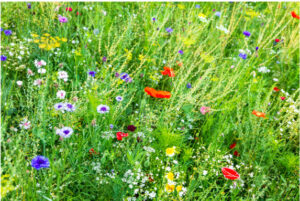 of the most compelling benefits of a no mow lawn is the promotion of biodiversity. Traditional lawns, with their uniform grass species, offer limited habitat and forage opportunities for local wildlife. In contrast, no mow lawns feature a diverse mix of native grasses, wildflowers, and other plants that attract pollinators, birds, and insects. This thriving ecosystem can help support local wildlife populations and even contribute to the protection of endangered species.
Water Conservation
Australia’s climate is often characterised by periods of drought and water scarcity. Maintaining a traditional lawn can be water-intensive, as it requires frequent irrigation to stay green and lush. No mow lawns, once established, are generally more drought-resistant and can thrive with minimal watering, reducing the strain on precious water resources.
Low Maintenance
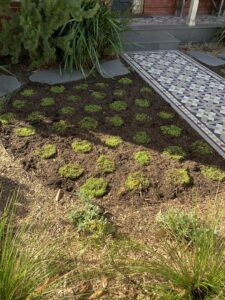 No mow lawns are aptly named for their minimal maintenance requirements. Unlike traditional lawns that necessitate regular mowing, fertilising, and herbicide use, these natural landscapes thrive with little intervention. This not only saves homeowners time and effort but also reduces the need for harmful chemicals and emissions associated with lawn maintenance equipment.
Soil Health
The continuous mowing of traditional lawns can lead to soil compaction and degradation. In contrast, no mow lawns encourage healthy soil ecosystems. The presence of native plants and deep-rooted grasses in no mow lawns can improve soil structure, increase nutrient cycling, and enhance water infiltration. This, in turn, helps combat erosion and fosters a more resilient landscape.
Aesthetic Appeal
No mow lawns have a unique and natural beauty that can enhance the overall aesthetics of your property. The varied colours, textures, and heights of the plants provide year-round visual interest, with seasonal blooms adding bursts of color. Moreover, these landscapes can offer a tranquil and calming environment, perfect for relaxation and contemplation.
Conclusion
Embracing a no mow lawn in Australia is not just a landscaping choice; it’s a commitment to environmental stewardship. These wilder, more natural landscapes offer a multitude of benefits, from promoting biodiversity and conserving water to reducing maintenance and enhancing soil health. As climate change and environmental concerns continue to rise, choosing a no mow lawn becomes a meaningful and sustainable way to contribute to a greener, healthier future for both your property and the planet. So, why not consider joining the green revolution and letting your lawn go wild?
Related Articles:

Citizen Science: A Pathway to Gardening Success and Biodiversity Conservation
In recent years, the realm of science has experienced a remarkable transformation, one that invites people from all walks of life to participate…

A Sustainable Gardener’s Guide to Thrifty Gardening
Creating an eco-friendly and cost-effective garden involves more than just nurturing plants; it's about adopting a sustainable approach that…