
Fertility is probably the aspect of gardening that concerns a lot of us most. And rightly so, since without nutrients plants won’t grow – especially if we are attempting to grow ‘hungry’ plants, like annuals, bulbs and edibles. Unfortunately, this sometimes means our first thought is to buy liquid fertilisers and pour them on. But this probably does more harm than good. Do we know what the particular plant needs? What is the best type of fertiliser? Is a fertiliser actually going to do some harm?
Growing plants in the appropriate spot, with the right soil pH, water, light and soil preparation can make a world of difference to the amount of supplementary feeding plants require, and this should always be the first things to consider.
However, if your plants need more tucker, you may wish to consider a fertiliser. But what sort will be best? A good rule of thumb is to choose something solid that will release nutrient slowly. Manures and worm castings are good first choices and fit in with organic and permaculture gardening principles.
But if you don’t have chooks or cows, you will need to buy something. Granular or pelleted material such as commercially available manures, blood and bone with rock dust supplement or specially formulated pellets are best if you want sustained fertility.
If your plants really need a quick lift then liquid fertilisers are the go. Products made from natural materials or from recycling natural materials are most sustainable. Excessive use of these is a waste of money and does harm because some of it will just flow right through the soil and find its way into storm water drains and to waterways. Here, the nutrient enrichment can encourage toxic algal blooms.

Low Impact Pest Management 101 Video
Sustainable Gardening 101 Video Series PART 3: Low Impact Pest Management Gardens are the natural habitat for all types of insects – the good, the…
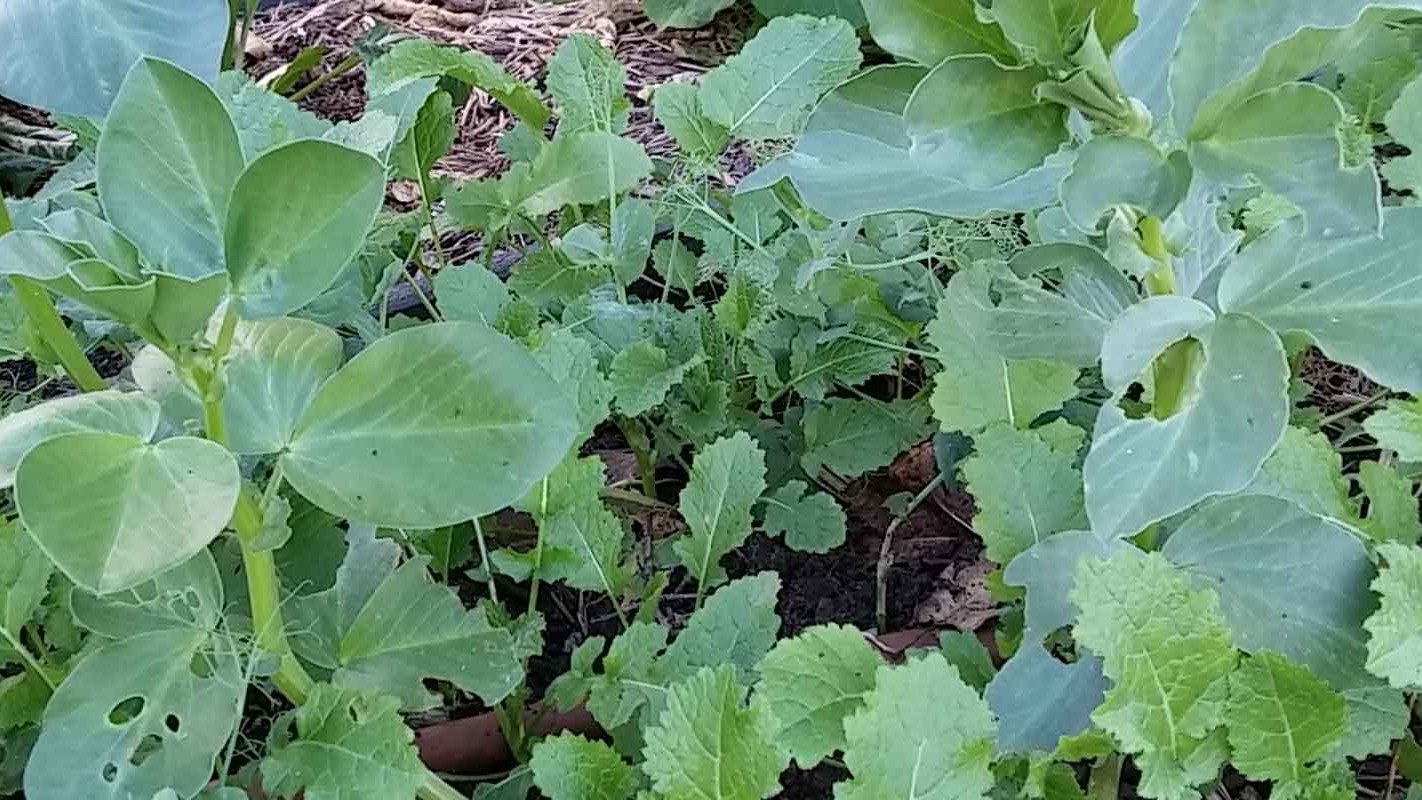
Green Manure
If you have a bit of space in your garden, growing green manures or cover crops is a great way to improve soil fertility and add organic matter to…
Using Phosphorus Sustainably in Gardens
It is widely known that root vegetables need phosphorus to grow well, but is it so widely known that phosphorus supplies may be dwindling and that…
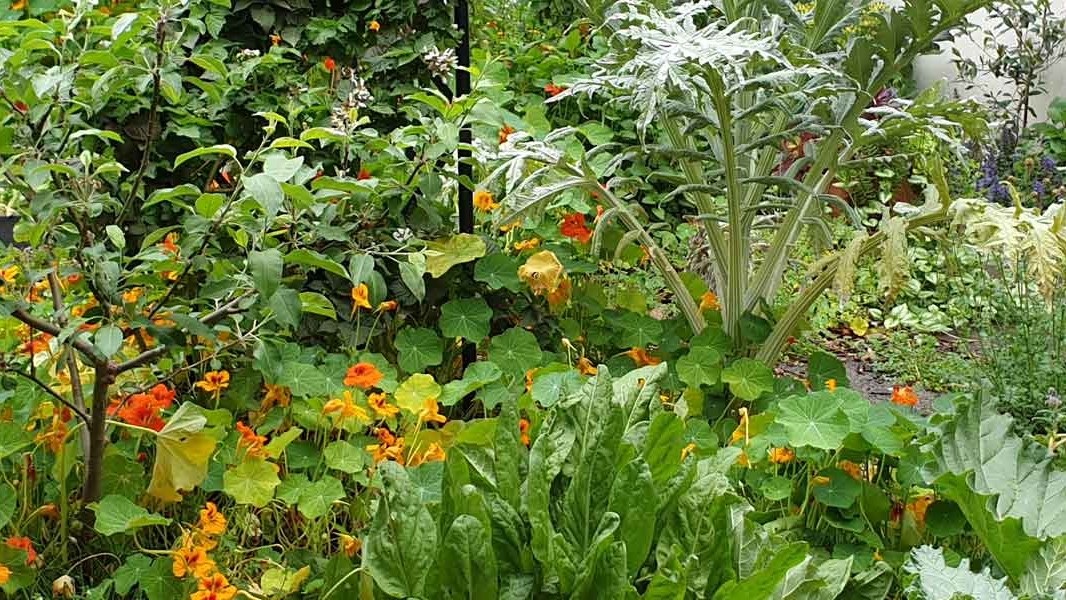
Regenerative Gardening = Sustainable Gardening
Some people say that the place to be in gardening is no longer just in sustainability - it’s being regenerative. But isn't that where SGA been all…
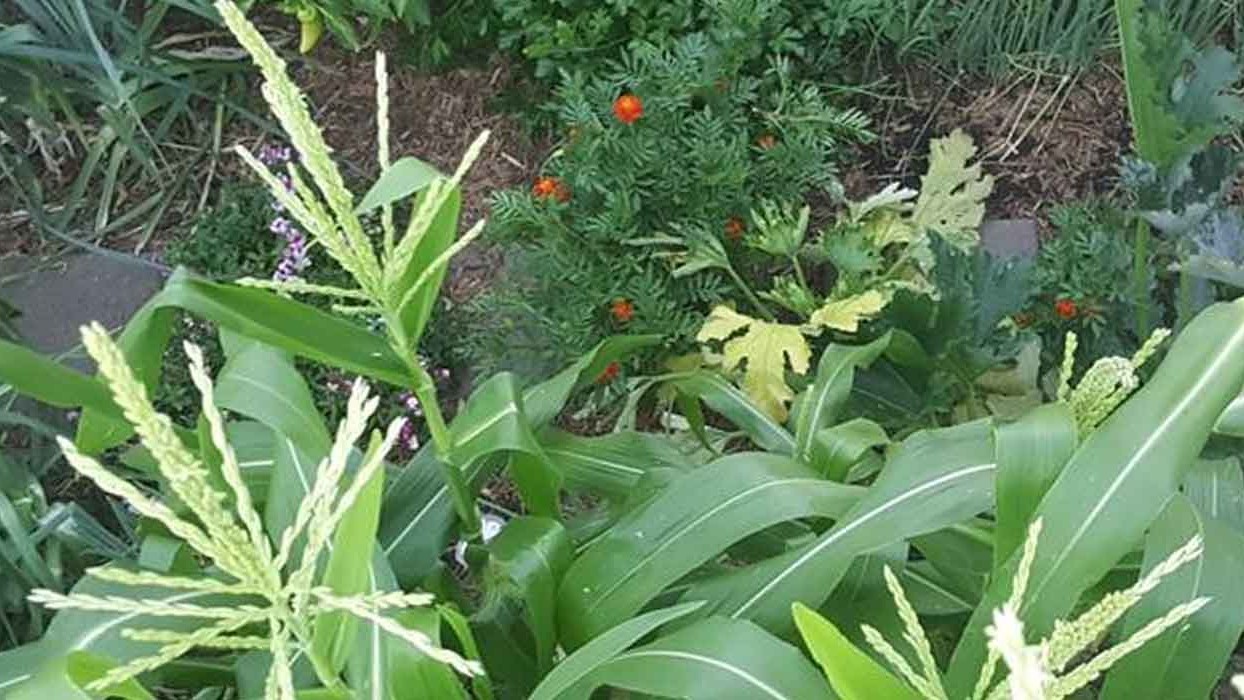
Garden like a Natural Farmer
Who is the best person to advise how to grow food naturally? A Natural Farmer of course! They grow food for a living and if they get it wrong they…
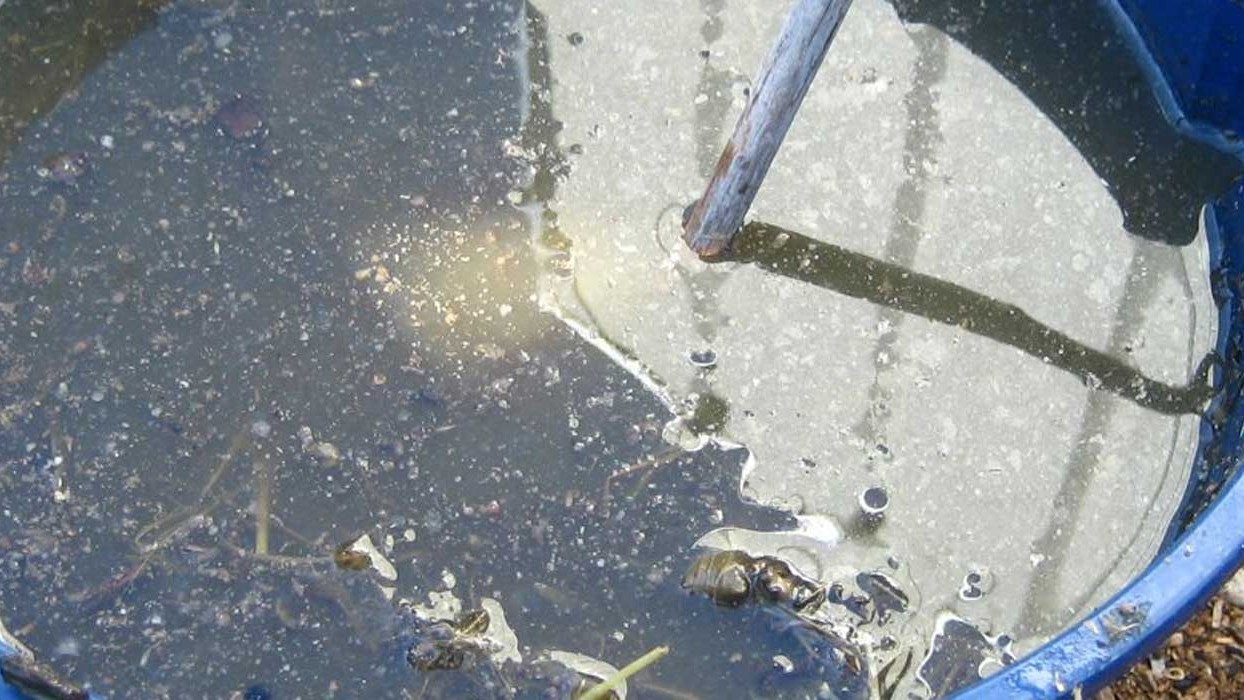
Compost, Worm and Weed Teas
If you are a gardener who tries to reduce your impacts on the natural environment, you will be using methods which avoid manufactured fertilisers,…

 Parenting worms demands a…

Seaweed as Fertiliser Pt. 2
Seaweed products are valuable sources of fertility for garden soil. Click on the image below for a video which is the second part of a Sustainable…
Seaweed as Fertiliser Pt. 1
Seaweed is a valuable source of minerals which are necessary for plant growth. Click on the image below for a video which is the first part of a…
Feeding Your Plants
Gardening is a bit like life really... the more you know, the more you know you don’t know. It can be so full of hits and misses, trials and errors,…
Could manures, composts or mulch damage plants?
As sustainable gardeners we are probably relying quite a bit on commercially sourced compost, manures and mulch to help promote healthy plant growth.…
 Although SGA…