

The perfect month for chocolate lovers and practical jokers alike, April is also a top time to get into the patch! There is a little bit of rain around, the weather is cooling down, and shed loads of stuff is ready to plant! So, don’t be a bunny, get into gardening this April! Hop to it!
Warm Areas
Frost free or occasional light frosts (North from about Coffs Harbour and all the way across to the west to Geraldton)
- It’s time to love your leafy greens! Whack in the following this month:
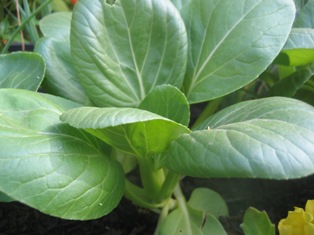 Asian greens, lettuce, mizuna, cabbage, silverbeet, rocket and spinach!
 - Keep the bunnies happy and pop in some carrots during April. Check out the Yummy Yards info sheet on carrots for all the tips!
- Hop into the herb patch with coriander (try a slow bolting variety if it’s still warm), parsley, lemon grass, chamomile and oregano.
- Stick in some spuds… home grown is easy, and incredibly rewarding. The potato page is here!
- Go veggie crazy with artichoke, beetroot, broccoli, brussel sprouts, cauliflower, tomatoes, chilli, garlic and radish.
- If you are in the tropical north (anywhere north of Rocky) you could try some cucumber, pumpkin, sweet corn, squash, tomatoes, sweet potatoes and zucchinis.
- Plants feel the need for a feed at this time of year. A seaweed tea, or any low environmental impact liquid fertiliser, is perfect for giving them a kick start as they establish. Apply to the soil early in the morning and in the concentrations mentioned on the packet.
- Pretty up the patch with these flowering fancies – marigolds, sunflowers and pansies, cornflowers, violas, snapdragons, stock, verbena and lavender (non-invasive varieties of course!). Popping these in around your veggies will give some colour and interest to the patch, and act as beneficial insect attractors!
- Consider a green manure crop to add some life and love to an overworked patch. At this time of year, try millet, oats, lupins or field peas. This will improve your soil incredibly, and, as a bit of forward planning, you’ll find it well worth the effort!
- Water smarter at this time of year. Water first thing in the morning, and instead of quickie irrigation, a nice, deep drink a couple of times a week is far more beneficial! Always check soil moisture before watering at this time of year… don’t waste your precious drinking water if Mother Nature has already done all the hard work for you!
- Top up mulch on your veggie patches, herb gardens and ornamental beds, especially important for weed suppression at this time of year. A hot tip is to mulch after watering the patch, to a depth of about 7cm. Keep mulch clear of plant stems… especially young seedlings. Choose a sustainable, low environmental impact mulch, one that will enrich your soil as it breaks down.
- Weeding is an awesome job to do at this time of year. Cut down the competition between your tasty treats and these space invaders, and tidy up your patch. It may sound tedious, but it’s incredibly rewarding!
Cool to Cold Areas
Low temperatures for extended periods of time (all of Tasmania, most of Victoria, the southern highlands of NSW, the ACT and a tiny southern bit of SA)
- There is still a whole heap of things you can pop in the patch at this time
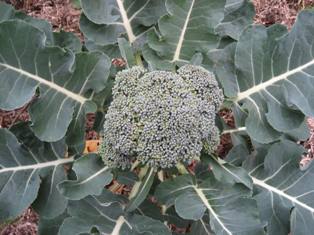 of year. Tasty herbs in the ‘burbs that are ready to roll include our old favourite, coriander. You could give mint and lemon balm a go as well, but be careful to contain it, otherwise it can take over!
 - Try these tasty wonders into your Yummy Yard this month: Chinese cabbage, most Asian Greens, spinach, rocket, broccoli, spring onions, asparagus, celery, endive, squash, onions, silverbeet, leeks and lettuce. Don’t be a bunny, remember to plant some carrots during April!
- Set aside a bit of space and pop in an artichoke! These are gorgeous additions to the patch, look amazing, and taste pretty good too!
- Add some colour and movement to the patch, and pop in some of these little pretties- dianthus, cornflower, pansy, viola, Echinacea, stock, verbena and lupins. Having these around your veggies will give some interest to the patch, and act as beneficial insect attractors!
- Top up mulch on your veggie patches, herb gardens and ornamental beds, especially important for weed suppression at this time of year. A hot tip is to mulch after watering the patch, to a depth of about 7cm. Keep mulch clear of plant stems… especially young seedlings. Choose a low environmental impact mulch, one that will enrich your soil as it breaks down.
- Green manure crops, including oats, wheat, fava beans and field peas are good to go now… improve that dormant veggie patch, and get ready for next seasons heavy feeding plants!
- Plants feel the need for a feed at this time of year. A seaweed tea, or any low environmental impact liquid fertiliser, is perfect for the seedlings you’ve just popped in. Apply to the soil early in the morning, and in the concentrations mentioned on the packet.
- Weeding is an awesome job to do at this time of year. Cut down the competition between your tasty treats and these space invaders, and tidy up your patch. It may sound tedious, but it’s incredibly rewarding!
- Water smarter at this time of year. Water first thing in the morning, and instead of quickie irrigation, a nice, deep drink a couple of times a week is far more beneficial! Always check soil moisture before watering at this time of year… don’t waste your precious drinking water if Mother Nature has already done all the hard work for you!
Temperate Zones
Occasional winter frosts (pretty much the rest of Australia, most of the inland, some areas of Victoria, most of SA and the southern area of WA)
- Top time to plant in this part of the world, especially now that is has
 cooled down a bit! Why not try cabbage, Asian greens, lettuce, rocket, tatsoi, spring onions, spinach, carrots, celery, cauliflower, broad beans, leek, onions, radish, turnips and swedes.
 - It’s time to get happy with herbs, so try some parsley, basil, coriander (try a slow bolting variety if it’s still pretty warm), rosemary, marjoram and thyme. You could give mint and lemon balm a go as well, but be careful to contain them as they can take over!
- Why not try some lovely flowering stuff in your patch as well, like: cornflower, calendula, dianthus, pansies, viola, snapdragons, stock, nasturtium, verbena and marigolds. These guys are great at attracting pollinators and beneficial insects to your patch, and I reckon they look tops as well.
- Consider a green manure crop to add some life and love to an overworked patch. At this time of year try fava bean, field pea, oats and wheat. This will improve your soil incredibly, and, for a bit of forward planning, you’ll find it well worth the effort!
- Top up mulch on your veggie patches, herb gardens and ornamental beds, especially important for weed suppression at this time of year. A hot tip is to mulch after watering the patch, to a depth of about 7cm. Keep mulch clear of plant stems… especially young seedlings. Choose a low environmental impact mulch, one that will enrich your soil as it breaks down.
- Plants feel the need for a feed at this time of year. A seaweed tea or low environmental impact liquid fertiliser is perfect, especially for the seedlings shoved in this month. Apply to the soil early in the morning, and in the concentrations mentioned on the packet.
- Weeding is an awesome job to do at this time of year. Cut down the competition between your tasty treats and these space invaders, and tidy up your patch. It may sound tedious, but it’s incredibly rewarding!
- Water smarter at this time of year. Water first thing in the morning, and instead of quickie irrigation, a nice, deep drink a couple of times a week is far more beneficial! Always check soil moisture before watering at this time of year… don’t waste your precious drinking water if Mother Nature has already done all the hard work for you!
Of course, this is just a rough guide, and many of you will find your situation varies from the above listing, due to microclimates created in your garden, location in relation to your nearest major city, extremes of weather (Mother Nature does like to keep us on our toes) and garden type.
April is often a time that we overindulge, and often end up regretting it! Same deal with our Yummy Yards… don’t overfeed and over-fertilise at this time of year, while your plants may look as though they’re enjoying the extra food, you are probably doing more harm than good.
Related Articles:

January In Your Patch
Wondering what to do in January in your patch? What vegetables and herbs should you plant? It's the start of the New Year and whether it's time for a…

February In Your Patch
Because it is warmer than summers 10 years ago, you might need to change what you normally do your garden. Maybe in February in your patch some of…